
Reducing Test Anxiety: How AI-Based Assessments Create a More Relaxed Testing Environment
The pressure to perform well on exams can often lead to stress, decreased performance, and even mental health issues. However, with the advent of artificial intelligence (AI) in education, there's a p...
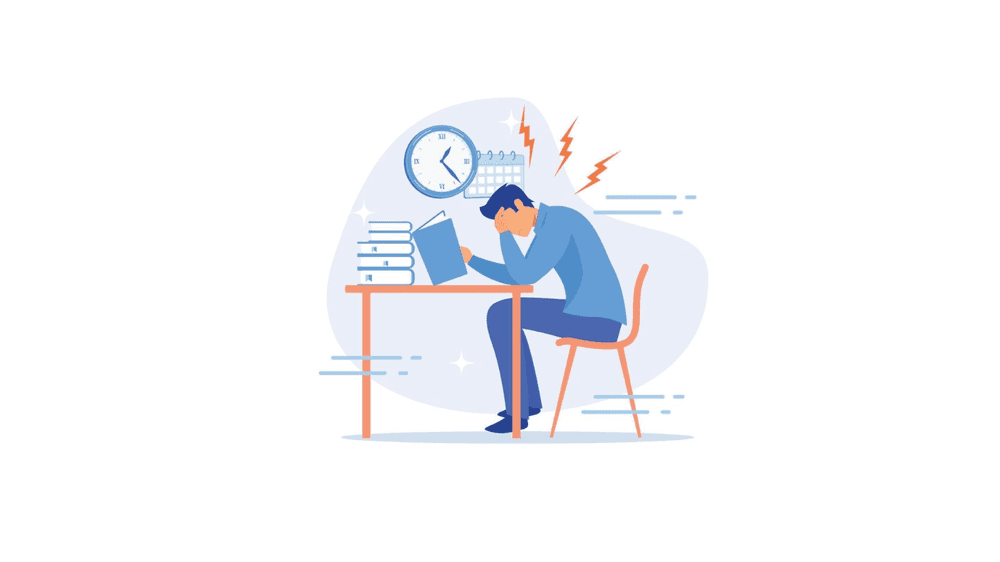
The pressure to perform well on exams can often lead to stress, decreased performance, and even mental health issues. However, with the advent of artificial intelligence (AI) in education, there's a promising solution on the horizon. AI-based assessments are revolutionizing the way we approach testing, creating a more relaxed and supportive environment for students.
One of the key advantages is their ability to integrate testing seamlessly into the learning process. Unlike traditional high-stakes exams that often feel separate from the learning experience, AI assessments can be embedded into everyday learning activities. This approach, known as stealth assessment, makes the evaluation process less visible and therefore less stressful for students.
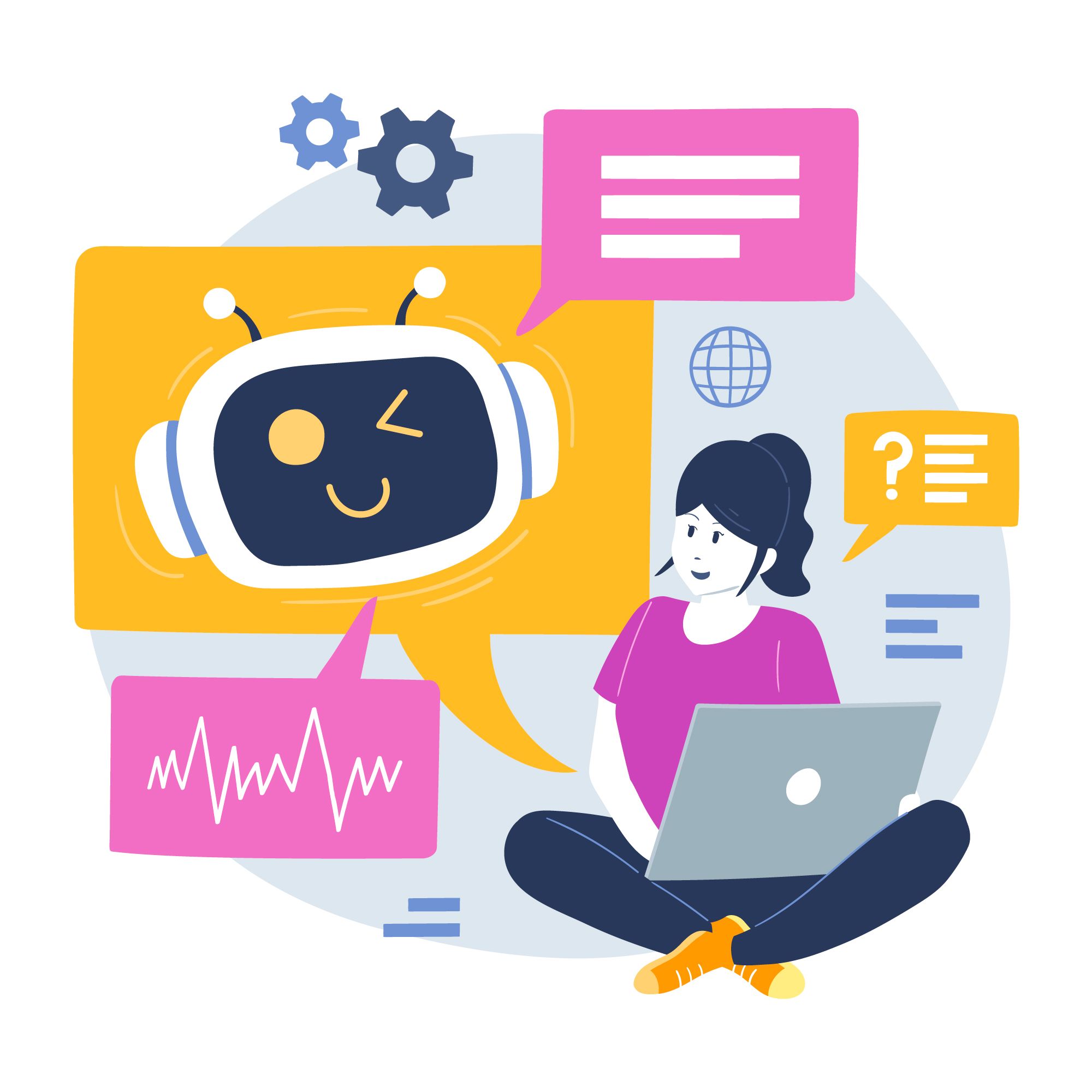
AI-powered assessments offer a range of features that contribute to a more relaxed testing environment.
For instance, adaptive testing adjusts the difficulty of questions based on a student's performance in real-time. This ensures that the assessment remains challenging but not overwhelming, helping to boost confidence and reduce anxiety. Additionally, AI can provide immediate feedback, allowing students to learn from their mistakes and understand their progress without the long wait times associated with traditional grading methods.
| AI Assessment Feature | Benefit |
|---|---|
| Adaptive Testing | Tailors difficulty to student's level |
| Immediate Feedback | Allows for quick learning and improvement |
| Stealth Assessment | Reduces test visibility and associated stress |
| Personalized Learning Paths | Ensures appropriate challenge level |
| Game-based Evaluations | Makes testing more engaging and less stressful |
AI-based assessments also have the potential to create more authentic testing experiences. By incorporating simulations and real-world scenarios, these assessments can make the evaluation process more engaging and relevant. Instead of traditional multiple-choice questions, students might find themselves applying their knowledge to solve practical problems, mirroring situations they might encounter in their future careers. This approach not only reduces anxiety but also increases motivation and engagement.
By reducing the stress and anxiety associated with traditional exams, these innovative tools can help students focus on what really matters - learning and understanding. As technology evolves, we may see increasingly refined and student-friendly assessment methods develop, gradually shaping the educational landscape.