
The Decline of Traditional Classrooms: A Shift in Language Learning
Traditional classroom settings, once the cornerstone of language learning, are facing challenges in maintaining their relevance. This shift is largely due to the rise of online learning platforms and ...
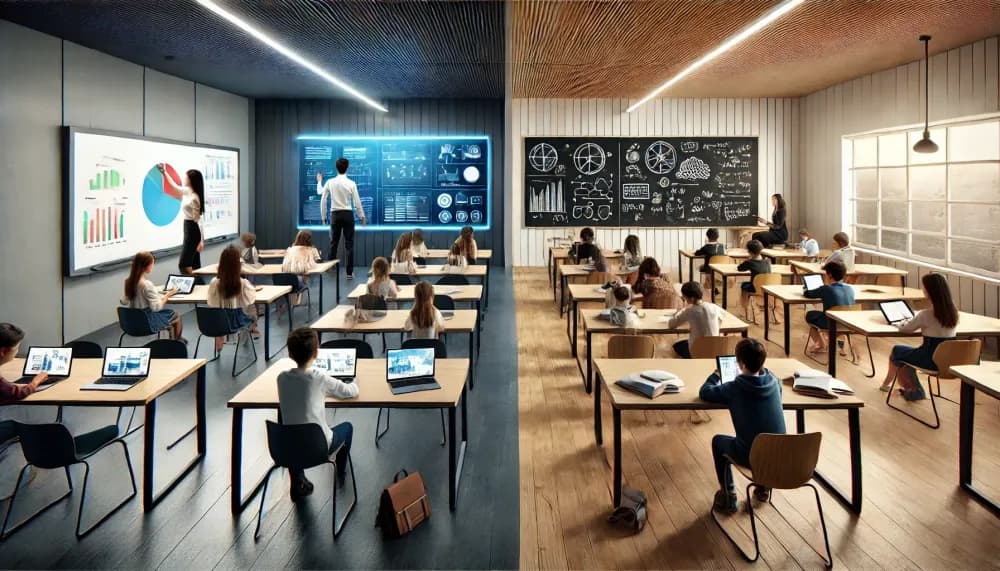
Traditional classroom settings, once the cornerstone of language learning, are facing challenges in maintaining their relevance. This shift is largely due to the rise of online learning platforms and changing student needs.
One of the primary reasons for the decline of traditional ESL classrooms is the inadequacy of conventional teaching methods. Many traditional settings still rely on outdated approaches such as rote memorization and group recitation, which often fail to provide students with the individualized speaking practice and feedback necessary for effective language acquisition. This can lead to students struggling with pronunciation and experiencing performance anxiety, ultimately hindering their progress in mastering English.
| 75% Percentage of ESL students who report feeling more comfortable practicing English in online settings compared to traditional classrooms. |
|---|
The rise of online learning platforms has significantly impacted traditional classroom settings by offering greater flexibility and personalized learning experiences. These digital alternatives allow students to schedule classes at their convenience, contrasting with the fixed schedules of traditional classrooms.
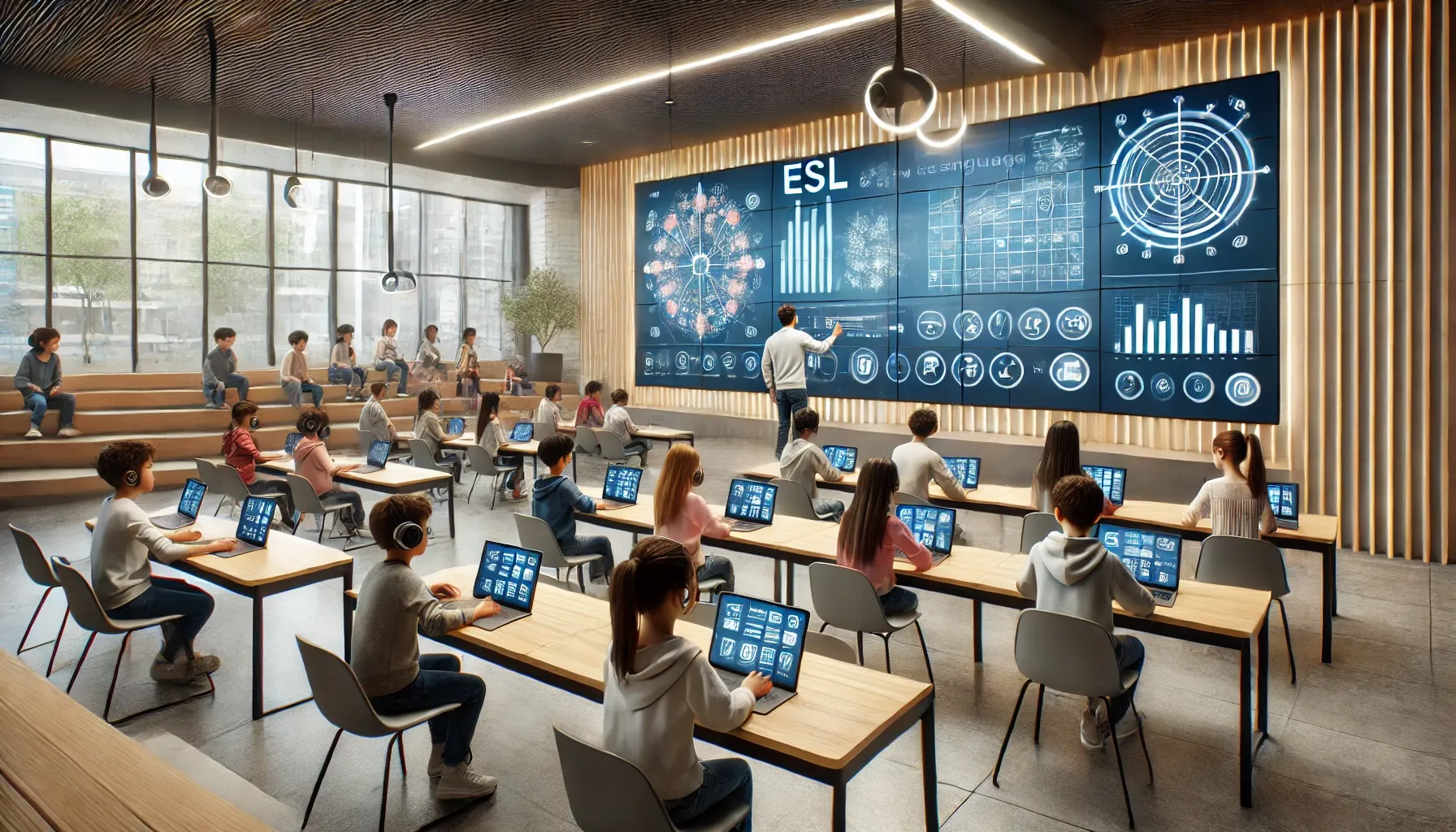
Despite the advantages of online learning, traditional ESL classrooms still offer unique benefits. They provide a structured environment that helps students stay focused and on-task, and offer real-time interaction with teachers and peers. This face-to-face interaction can lead to meaningful relationships and dynamic learning experiences, which are crucial for developing social skills and understanding cultural nuances.
The COVID-19 pandemic has accelerated the shift towards online learning, presenting both opportunities and challenges for ESL education. While online platforms have provided continuity in language learning during lockdowns, they have also highlighted issues such as limited access to technology and reduced social interaction for some students.
As we look to the future of ESL education, it's clear that a hybrid approach combining the best aspects of traditional and online learning may be the most effective solution. This could involve integrating technology into physical classrooms, offering blended learning options, and focusing on more communicative and content-based language instruction. By adapting to the changing needs of language learners and embracing innovative teaching methods, ESL education can continue to evolve and thrive in the digital age.