
Why B2 English Matters in Tech: A Must-Have Skill for Every Techie
Whether you’re coding, debugging, or designing solutions, strong English skills can be your secret weapon. So why is B2 English such a big deal in the tech industry? Let’s dive into why this level of ...
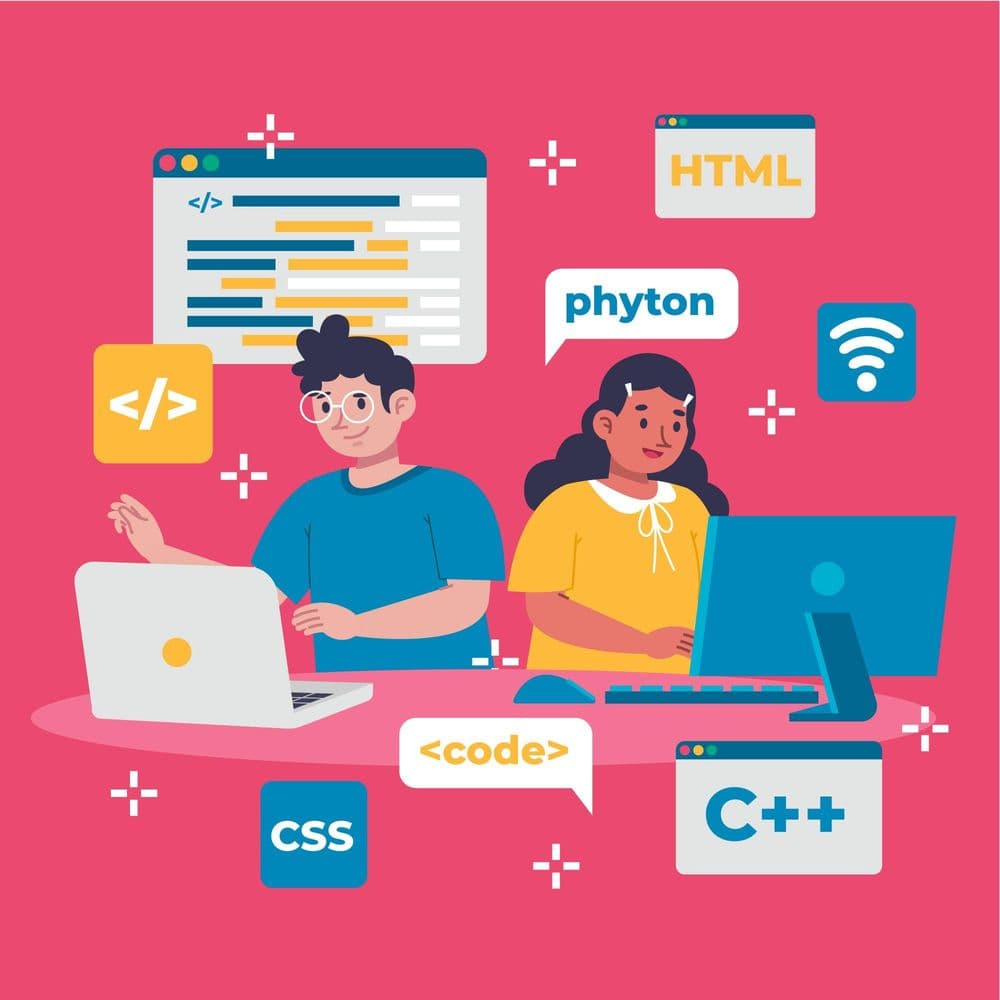
Whether you’re coding, debugging, or designing solutions, strong English skills can be your secret weapon. So why is B2 English such a big deal in the tech industry? Let’s dive into why this level of proficiency is essential for every tech professional.
What is B2 English, and Why Should You Care?
B2 English is known as the Upper Intermediate Level in the Common European Framework of Reference (CEFR). At this level, you can:
- Understand complex texts and discussions about work or technical topics
- Write clear, detailed reports and documentation
- Express ideas fluently and make technical arguments confidently
- Engage in discussions with a good degree of spontaneity
In other words, B2 English is your gateway to professional fluency in tech. With this proficiency level, you’ll find it easier to understand technical manuals, communicate effectively with international teams, and write high-quality documentation.
Top Reasons B2 English Matters in Tech
Why should tech professionals care about achieving B2-level English? Here’s the breakdown:
📚Understanding Documentation
Most technical resources, manuals, and coding documentation are in English. At B2, you can confidently read and comprehend these resources, which speeds up your learning process and helps you work independently.
🌐Communicating with Global Teams
The tech industry is incredibly international. Many companies have distributed teams across multiple time zones and countries. B2-level English enables you to participate in team discussions, share ideas, and collaborate without barriers.
📝Writing Clear Documentation and Reports
In tech, documenting code, creating reports, and writing project updates are daily tasks. B2 proficiency ensures that you can write these documents in a way that’s clear and understandable for both tech and non-tech colleagues.
🎓Access to Learning Resources
Some of the best tech courses, tutorials, and conferences are in English. With B2 English, you can access and understand these materials, giving you a competitive edge in a rapidly evolving field.
🗣Presenting and Explaining Technical Ideas
Whether you’re in a meeting, on a call, or explaining a project to stakeholders, B2 English allows you to present complex ideas confidently. This is especially important in roles where you need to explain technical concepts to non-technical team members.
Tips to Level Up Your English for Tech
📖Read Tech Articles and Blogs Regularly
Sites like TechCrunch, Wired, or Medium’s tech section offer plenty of reading practice while keeping you up-to-date with industry trends. Look up any words or phrases you’re unfamiliar with and note down technical jargon.
🎧Listen to Tech Podcasts and Watch Videos
Channels like CrashCourse Computer Science and podcasts such as Syntax or Darknet Diaries are packed with tech talk. They’re perfect for developing listening skills while learning more about the industry.
📝Practice Writing Code Comments and Documentation
Start by documenting your code thoroughly and writing clear explanations for each function. This will help you practice clarity in writing and give you hands-on experience in explaining complex information in simple terms.
💻Join Online Tech Communities
Platforms like Stack Overflow or GitHub Discussions are ideal for reading, asking, and answering questions. Engaging in these forums gives you real-world English practice and helps you get comfortable with technical terms.
💬Attend Webinars or Tech Meetups in English
Many online tech meetups or webinars are held in English. Try to join a few—this will help you get used to listening to technical discussions in English and improve your ability to interact and ask questions in real time.
FAQs on B2 English in the Tech Industry
❓Is B2 English really necessary for coding jobs?
Yes! Coding isn’t just about writing code—it’s about reading documentation, understanding error messages, and collaborating with teams. B2-level English ensures you can do all of this effectively.
❓Can I work in tech internationally with just B2-level English?
Absolutely. B2-level English is often enough for most technical roles. However, if you aim for leadership or client-facing roles, advancing to C1 or even C2 can be beneficial.
❓How long does it take to reach B2 English if I’m currently at B1?
With consistent practice, moving from B1 to B2 can take around 6-9 months. The key is to focus on all skills—reading, writing, listening, and speaking. Try setting daily goals like reading a tech article or listening to a podcast.
❓Are there specific English certifications that tech employers value?
Yes, certifications like IELTS, TOEFL, and CEFR (Common European Framework of Reference) are widely recognized. A B2 level on any of these tests demonstrates your competence to employers.
❓What’s the best way to practice English for tech jobs?
Engage in real-world scenarios! Read tech documentation, write code comments, participate in online tech forums, and speak about tech topics with colleagues. Practicing in your field makes learning more relevant and effective.
Achieving B2 proficiency in English allows you to confidently work with global teams, stay updated with industry knowledge, and unlock new opportunities. So, if you’re ready to boost your career, start working on those language skills today!
Remember: With B2 English, the tech world is at your fingertips. Let your language skills amplify your tech talent!