
Online Proctored Exams: What They Are and Why They Matter
As education and professional certification shift increasingly online, ensuring assessment integrity is more important than ever. This is where the proctored exam and, more specifically, online test p...
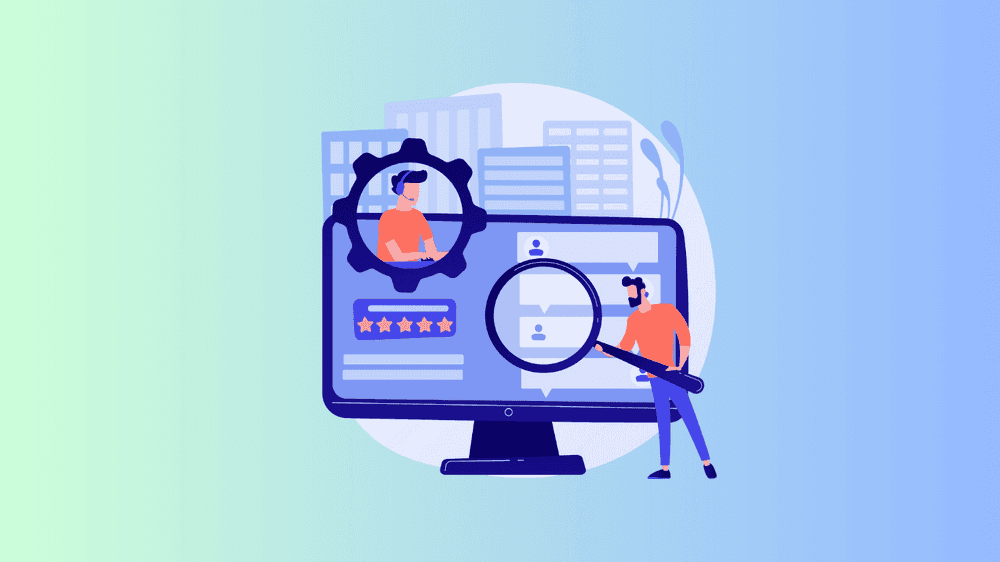
As education and professional certification shift increasingly online, ensuring assessment integrity is more important than ever. This is where the proctored exam and, more specifically, online test proctoring come in. For institutions, remote proctoring provides a secure and scalable way to deliver exams without compromising fairness or trust.
In this guide, we’ll explore the history of proctoring, the different types of remote proctoring software, and how EduSynch’s solution combines technology and user experience to meet the needs of both institutions and test-takers.
A Brief History of Proctoring
Proctoring has been around for centuries in the form of in-person invigilators overseeing examinations. Traditionally, a human proctor monitored students in a controlled environment, ensuring no unauthorized materials or behaviors interfered with the exam process.
With the rise of distance learning and online certifications in the early 2000s, the challenge was replicating that same level of security outside the physical classroom. This led to the development of remote proctoring software, evolving from simple webcam monitoring to advanced AI-driven solutions.
Types of Remote Proctoring
Modern remote proctoring generally falls into three main categories:
1. Live Online Proctoring
- How it works: A human proctor observes the candidate in real-time via webcam and screen-sharing.
- Pros: Immediate intervention if suspicious activity occurs; higher perceived trust.
- Cons: Costly at scale, scheduling constraints, and requires human staffing.
2. AI-Based Automated Proctoring
- How it works: Artificial intelligence flags suspicious behaviors (eye movement, background noises, additional people in frame) for later review.
- Pros: Scalable, available 24/7, cost-effective for large cohorts.
- Cons: May require manual review of flagged incidents to confirm violations.
3. Hybrid Proctoring
- How it works: Combines AI monitoring with human oversight (either live or post-exam review).
- Pros: Balances scalability with accuracy; reduces false positives from AI.
- Cons: Still requires some human resources for review.
How EduSynch’s Remote Proctoring Solution Works
EduSynch’s remote proctoring software is designed for institutions that want scalability, security, and a smooth user experience.
Secure, Flexible Proctoring
- AI-driven monitoring detects suspicious activities in real-time.
- Human verification ensures accurate, fair decisions for test-takers.
Candidate-Friendly Interface
- No unnecessary software downloads—browser-based access for ease of use.
- Step-by-step onboarding to ensure candidates are exam-ready.
Actionable Reporting
- Detailed incident logs and video playback for institution review.
- CEFR-aligned and standards-based scoring for language assessments.
Scalable Across Time Zones
- Global reach for multinational programs, without scheduling conflicts.
Why Proctored Exams Matter for Institutions
- Protect Academic Integrity: Prevents cheating and maintains the credibility of certifications.
- Ensure Compliance: Meets industry and accreditation body requirements.
- Boost Candidate Trust: Shows commitment to fairness and equal testing conditions.
- Enable Remote Access: Expands reach without sacrificing security.
Final Thoughts
Proctored exams are no longer optional; they’re a cornerstone of credible online learning and certification. The right remote proctoring software balances security, scalability, and a positive user experience.
With EduSynch’s solution, institutions gain a future-proof platform that protects integrity while respecting the needs of candidates, no matter where they are.
Ready to see EduSynch’s proctoring in action?
Take EduSynch - AI-Powered Language Proficiency Testing and discover how our platform safeguards your exams without sacrificing convenience.
Questions? Reach out anytime: contact@edusynch.com