
Proctoring and Test Security: Best Practices for Schools and Institutions
As assessments continue to move online, one question becomes increasingly important: How can institutions ensure test integrity in a digital environment?For schools and organizations, maintaining fair...
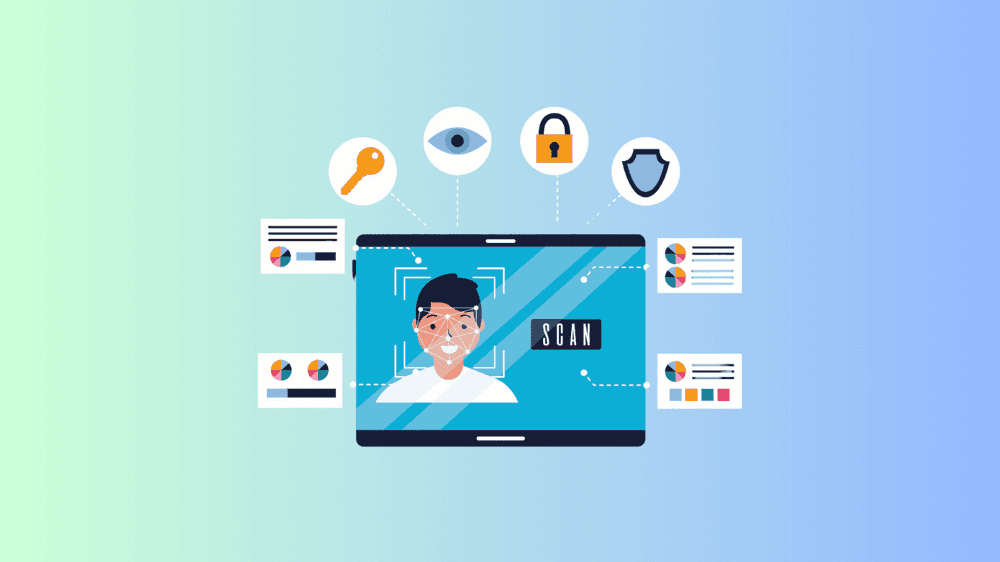
As assessments continue to move online, one question becomes increasingly important: How can institutions ensure test integrity in a digital environment?
For schools and organizations, maintaining fairness, credibility, and accuracy in testing is essential. Whether it’s placement, progress monitoring, or high-stakes exams, test security is no longer optional; it’s fundamental.
However, effective proctoring goes beyond simply preventing cheating. It’s about building a system that is secure, scalable, and fair for every learner.
Why Test Security Matters More Than Ever
Online testing has brought flexibility and accessibility, but also new risks.
Without proper safeguards, institutions may face:
- Academic dishonesty that compromises results
- Inaccurate placement, leading to ineffective learning
- Loss of credibility with students, parents, or stakeholders
- Data privacy concerns
Ultimately, if you can’t trust the results, you can’t trust the decisions based on them.
What Is Proctoring in the Digital Age?
Proctoring has evolved far beyond a teacher walking around a classroom.
Today, it includes a combination of:
- Live monitoring (in-person or remote)
- Automated tools (AI-assisted behavior signals)
- Secure test environments (browser controls, access restrictions)
The goal is not just to catch misconduct, but to prevent it while maintaining a positive test experience.
Best Practices for Secure and Fair Testing
1️⃣ Use a Secure Testing Environment
A strong foundation starts with controlling the testing environment.
This includes restricting access to external tools, limiting navigation, and ensuring secure logins. When the environment is well-designed, many opportunities for misconduct are removed before the test even begins.
2️⃣ Combine Technology with Human Oversight
No system is perfect on its own.
The most effective approach blends automated monitoring with human judgment, ensuring that flagged behavior is reviewed in context and decisions remain fair.
3️⃣ Design Assessments That Reduce Cheating Opportunities
Test design plays a critical role in security.
Adaptive testing, randomized questions, time limits, and task-based activities (such as speaking and writing) make assessments more personalized and significantly harder to cheat.
When tests measure real skills, shortcuts become less effective.
4️⃣ Communicate Clear Guidelines to Students
Transparency is key.
Students should clearly understand what is expected, how the test will be conducted, and what constitutes misconduct. This not only reduces anxiety but also discourages dishonest behavior.
5️⃣ Protect Student Data and Privacy
Security also means responsibility.
Institutions must ensure that data is handled ethically, stored securely, and aligned with relevant data protection regulations. Trust in testing includes trust in how information is managed.
6️⃣ Balance Security with User Experience
Overly strict proctoring can create unnecessary stress, especially for younger learners.
The goal is to maintain fairness without making the experience intimidating. A simple, intuitive interface combined with thoughtful monitoring leads to more reliable and valid results.
The Role of Modern Platforms Like EduSynch
As institutions rethink proctoring and test security, technology plays a central role, but not all solutions are created equal.
Many schools rely on external proctoring tools layered on top of testing platforms. While effective in some cases, this often leads to complex setups, inconsistent experiences, and increased administrative workload.
Modern platforms like EduSynch take a different approach by integrating test delivery, security, and evaluation into a single environment.
A More Integrated Approach to Test Security
EduSynch is designed with security built into the assessment process, not added as an afterthought.
Instead of relying solely on strict surveillance, the platform combines:
- Secure test environments that limit access to external resources
- Controlled access and user verification to ensure the right test-taker is taking the test
- Adaptive and randomized test design, reducing predictability
- Skill-based tasks (including speaking and writing), which are inherently harder to cheat
This approach focuses not just on detection, but on preventing misconduct by design.
Supporting Reliable, Scalable Assessment
By combining integrated proctoring with skill-based assessment, EduSynch helps institutions move toward a more reliable and modern testing model.
This leads to:
- More accurate placement and evaluation
- Reduced administrative complexity
- Consistent testing conditions across groups
- Greater trust in results and decision-making
Moving from Control to Confidence
Test security isn’t about creating a system of suspicion, it’s about building confidence.
Confidence that:
- Results are accurate
- Placement decisions are fair
- Progress is measurable
- Certifications are earned
When proctoring is done right, it doesn’t just protect the test—it enhances its value.
As digital assessment continues to grow, schools and institutions must rethink how they approach proctoring and test security.
The goal isn’t just to prevent cheating, it’s to create a trusted, scalable, and learner-friendly assessment experience.
Because in the end, the quality of your testing determines the quality of your decisions.
Looking for a Secure Assessment Solution?
If your institution needs a scalable, CEFR-aligned placement or assessment solution with built-in online proctoring, EduSynch is ready to help.
Or contact us directly at contact@edusynch.com