
Managing Eye Strain and Fatigue on the Digital SAT
As the Digital SAT becomes increasingly prevalent, students face new challenges in maintaining eye health during extended screen time. This comprehensive guide aims to provide accessible and practical...
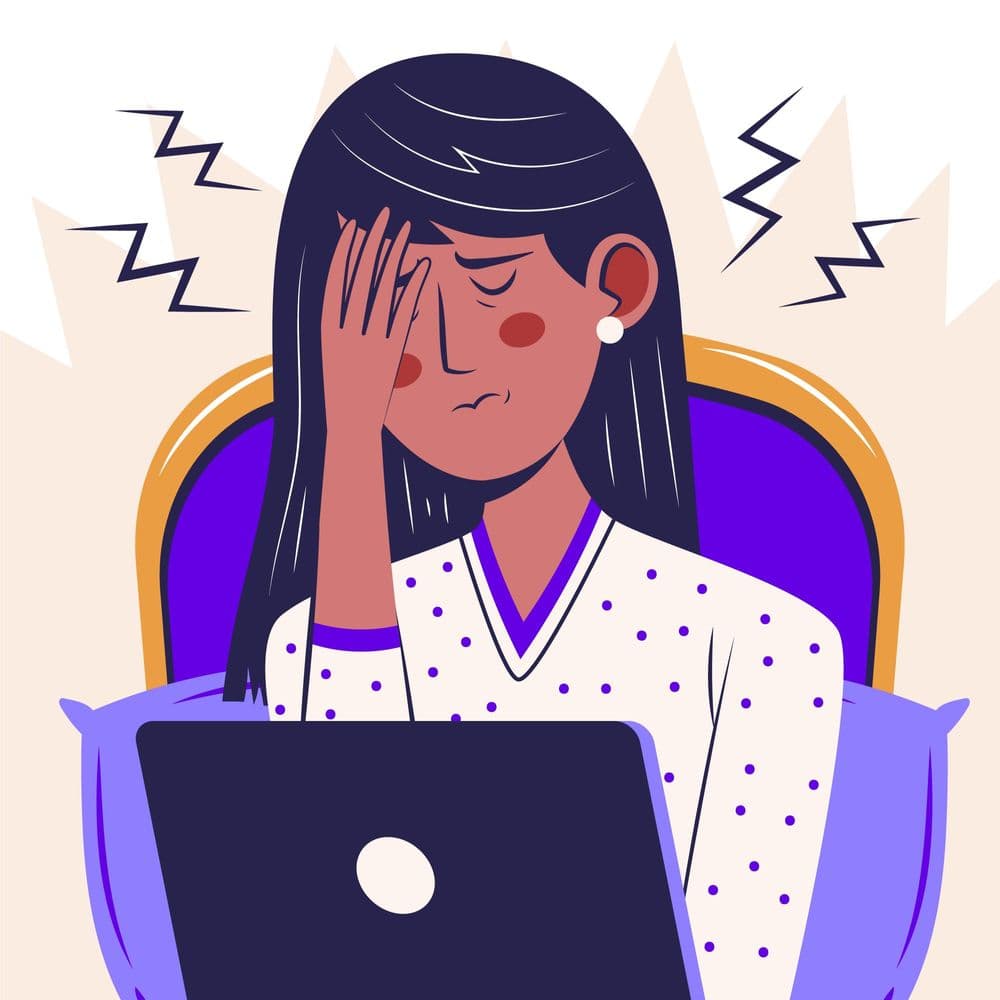
As the Digital SAT becomes increasingly prevalent, students face new challenges in maintaining eye health during extended screen time. This comprehensive guide aims to provide accessible and practical strategies for managing eye strain and fatigue while taking the digital version of this important test.
One of the most effective and easy-to-remember strategies for combating eye strain is the 20-20-20 rule. This simple technique involves taking a 20-second break every 20 minutes to focus on something approximately 20 feet away.
Let's check some recommendations to help reduce fatigue and maintain visual comfort throughout the test:
💻Screen Distance ☑️ 20-28 inches from eyes
💻Screen Position ☑️ Slightly below eye level
💻Posture ☑️ Upright, with back supported
💻Chair ☑️ Comfortably padded, adjustable
💻Arm Support discomfort ☑️ Adjusted to reduce overall
The impact of prolonged screen time on eye fatigue during digital tests is significant. When focusing on screens for extended periods, individuals tend to blink less frequently, leading to dry eyes and discomfort. This decreased blink rate, combined with the constant visual demands of digital screens, can result in a condition known as digital eye strain. Symptoms may include burning or sore eyes, headaches, blurred vision, and difficulty refocusing on distant objects after the test.
To combat these effects, it's essential to make conscious efforts:
👩💻Blink more often ✅It helps keep the eyes moist
👨💻Stay hydrated ✅It contributes to overall eye comfort
👩💻Increase the text ✅It reduces eye strain from squinting or
size leaning in to read small font
👨💻Adjust the screen's ✅It minimizes contrast-induced eye fatigue
brightness
Additionally, to mitigate these effects, it's advisable to take short breaks when allowed during the test. Use this time to perform simple eye exercises, such as looking at distant objects or gently massaging the area around your eyes. These brief moments of relief can help reset your visual system and improve overall comfort and performance during the exam. Remember, taking care of your eyes is not just about comfort; it's about ensuring you can perform at your best during this crucial exam. Take a deep breath and go get it!